Skip to content

We help industrial and B2B companies enter Europe and win their first customers.

We don't advise.We execute.

Enter Europe. Build pipeline. Win customers.

Orsay Partners helps industrial and B2B companies develop sales in France, Benelux and Europe through hands-on commercial execution.

Founder-led. Senior-led. Commercially accountable.

Coverage: France · Belgium · Netherlands · Luxembourg · wider Europe

  • 50+

    new clients signed in Asia in three years, for a French manufacturer with no local entity

  • 5

    international markets launched from zero

  • 170%

    of annual target, as Head of Sales Europe

  • 15+

    years in international B2B sales

Results achieved by the founder in previous roles. Context and role for each figure: case studies

We don't deliver market-entry reports. We build pipeline, open doors and help close deals.

The real problem

Entering a new European market is not a strategy problem. It is an execution problem.

Companies often know which market they want to enter. What they lack is local access, qualified conversations, commercial follow-up and someone accountable for turning opportunities into revenue.

What we do

We operate as your senior commercial function on the ground.

01

Prioritise

Market, segments and accounts.

02

Open doors

Identify and reach decision-makers.

03

Build pipeline

Qualify opportunities and manage follow-up.

04

Close business

Support negotiations and convert opportunities.

Your options

Three ways to enter a European market.

Each route fits some situations. Here is how they compare for a company that wants its first customers before committing to a permanent structure.

Hire a local sales team

Time to start
Recruitment and onboarding take months before the first conversation.
Cost structure
Fixed salaries and overheads from the first month.
Who is accountable
New hires who are still learning your product and your market.
What you keep
A team and a market position, at a high fixed cost.
Rely on a distributor alone

Time to start
Depends on finding the right one, and on its other priorities.
Cost structure
Margin or commission, with limited visibility on activity.
Who is accountable
A partner that usually carries several brands.
What you keep
A channel you may not fully control.

Orsay Partners

Time to start
Starts once the scope and the target accounts are agreed.
Cost structure
A scoped engagement, typically 3 to 6 months, with no permanent headcount.
Who is accountable
One senior person, with agreed KPIs and a weekly activity update.
What you keep
The account list, the messaging and the pipeline report, plus a recommendation on what comes next.

These routes are not exclusive. Orsay Partners also searches for and manages distributors and partners, and an engagement can end with a local hire or a distributor taking over.

Who we work with

Built for companies that need commercial traction in Europe.

Typical sectors

Industrial manufacturing and equipment · Energy and climate-tech · B2B technology · B2B events · FMCG and retail suppliers

  • 01Foreign industrial companies entering Europe.
  • 02B2B technology and energy businesses.
  • 03Manufacturers seeking distributors or strategic partners.
  • 04Companies testing a market before hiring locally.
  • 05European companies needing senior sales execution.

Track record

Measured by commercial outcomes, not presentation quality.

Results achieved by the founder, Guillaume Corruble, in employed and transition roles before Orsay Partners was founded. Each figure comes with the role he held.

15+

years in B2B sales and business development

International roles across industrial products, FMCG and retail, B2B events and SaaS.

5

international markets launched from zero

Zero-to-one market launches, from first prospect list to first signed customers.

50+

new clients signed across international markets

Signed in Asia in three years for a French manufacturer with no local entity, as the person in charge of business development.

170%

of annual target achieved

As Head of Sales Europe for a US-based B2B events company.

3×

Salesperson of the Year

Awarded three times in that same Head of Sales Europe role.

+15 pts

rebooking rate in one year

With +8% exhibitor revenue, as transition Sales Director of a B2B trade show portfolio in France (12-month assignment).

Read the case studies

Next step

Two ways to start.

Talk it through

A focused 30-minute conversation about your market, your targets and your next commercial move.

Book a 30-minute call

Prefer to write first?

Send a short brief by email: your product, the market you have in mind and your timeline. We reply within one business day.

Send a short brief
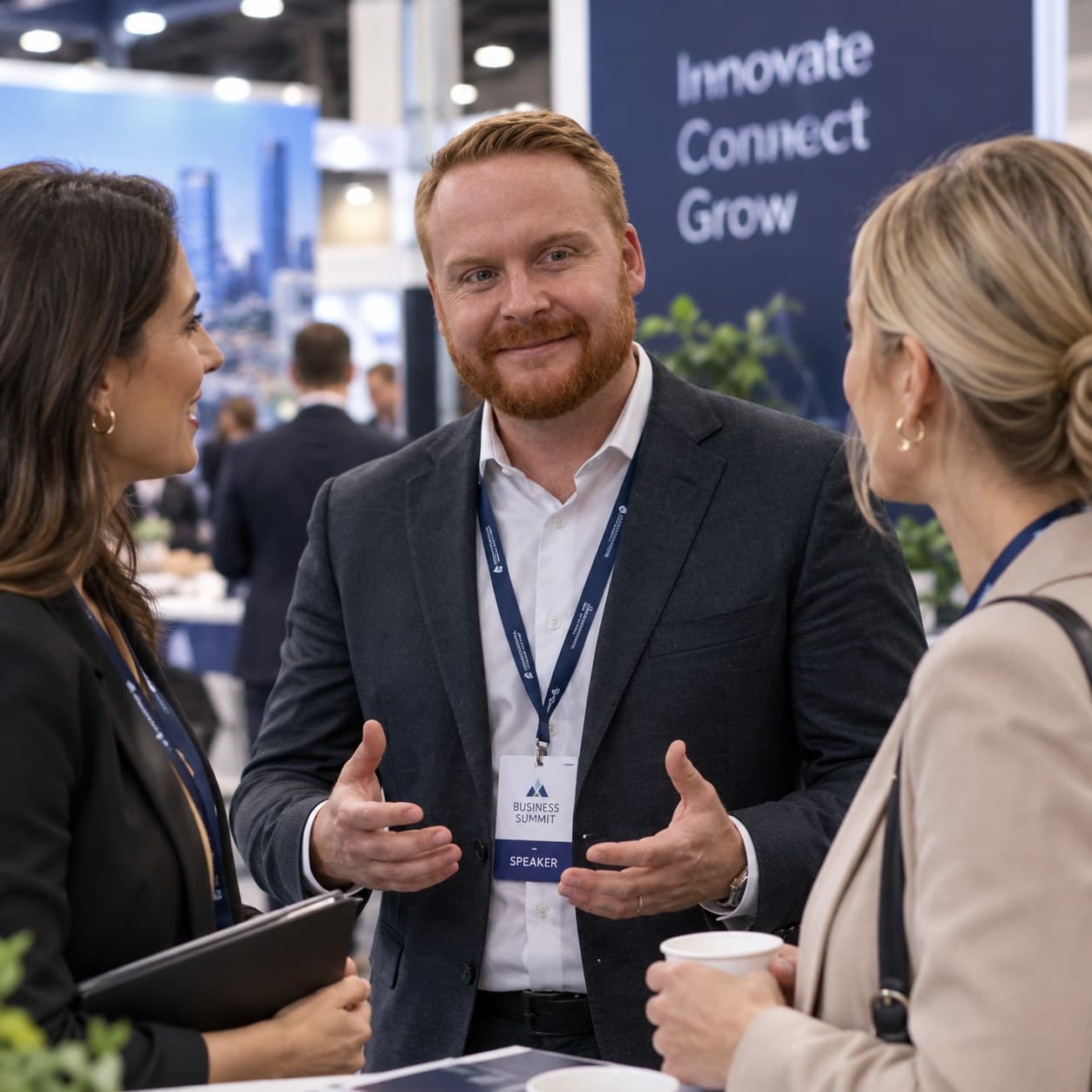
Guillaume Corruble, founder of Orsay Partners, in a client meeting at a B2B trade show

The person behind it

You brief the person who does the work.

Guillaume Corruble has spent more than 15 years in international B2B sales and business development, across industrial products, FMCG and retail, B2B events and SaaS. He has launched five international markets from zero.

Most recently he led, as transition Sales Director, the commercial relaunch of a B2B trade show portfolio in France. Before that he was Head of Sales Europe for a US-based B2B events company, and led business development in Asia for a French manufacturer.

The person you brief is the person working on your market.

Method

A practical engagement from first conversation to first deal.

01

Diagnostic

Understand the offer, the market and the sales ambition.

02

Commercial plan

Define segments, accounts, messaging and KPIs.

03

Execution

Prospect, qualify, meet, negotiate and follow up.

04

Review

Report pipeline, learn and adjust.

05

Scale

Recommend hiring, partners or continued execution.

Engagement framework

What you are buying, before we start.

Typical engagements last 3 to 6 months, depending on the market, sales cycle and commercial objective.

Each engagement is built around a defined commercial objective, a target market and measurable KPIs. We agree the scope, target accounts, activity levels and reporting cadence before execution starts.

Rates are not published: each engagement is sized to its scope and discussed during the first call.

Format
A one-off mission with a fixed scope, or a recurring monthly engagement.
Target market
One priority market to start (France, Benelux or another European country), extended once traction is proven.
Segments
Two to three segments assessed, the strongest one or two activated.
Target accounts
A named account list agreed with you upfront, sized to the market and the deal value.
Reporting
Weekly activity update and a monthly pipeline review.
Deliverables
Prioritised account list, messaging, qualified meetings, pipeline report and a scale-up recommendation.
KPIs
Decision-makers reached, qualified meetings, opportunities created, pipeline value, deals signed.
Scaling
Agreed criteria for the next step: local hire, distributor, partner or continued execution.

Questions

What companies ask before the first call.

Why not hire a local sales team directly?

You can, and for many companies it is the right long-term move. The issue is timing: recruiting and onboarding take months and create fixed costs before you know whether the market responds. A scoped engagement tests the market first and ends with a recommendation on whether, and whom, to hire.

How is this different from a distributor or a sales agent?

A distributor usually carries several brands. We work on your market objective only, with agreed KPIs and a weekly activity update. We can also search for and manage distributors and partners as part of the engagement.

Who actually does the work?

Guillaume Corruble, the founder. The person you brief is the person working on your market. Clara Menguès supports the team as Executive Assistant.

How long does an engagement last?

Typically 3 to 6 months, depending on the market, the sales cycle and the commercial objective. It can be a one-off mission with a fixed scope or a recurring monthly engagement.

What does it cost?

Rates are not published: each engagement is sized to its scope and discussed during the first call.

Which markets and sectors do you cover?

France, Belgium, the Netherlands and Luxembourg first, and wider Europe on request. Typical sectors are industrial manufacturing and equipment, energy and climate-tech, B2B technology, B2B events, and FMCG and retail suppliers. Working languages are French and English.

What happens at the end of an engagement?

We agree the criteria for the next step upfront: a local hire, a distributor, a partner or continued execution. You keep the account list, the messaging and the pipeline report.

Ready to test your European sales potential?

No generic audit. No 80-page market-entry report. A focused conversation about your market, your targets and your next commercial move.